
Paparazzi Self Portraits
Conceptual Art and Celebrity in the 1970s

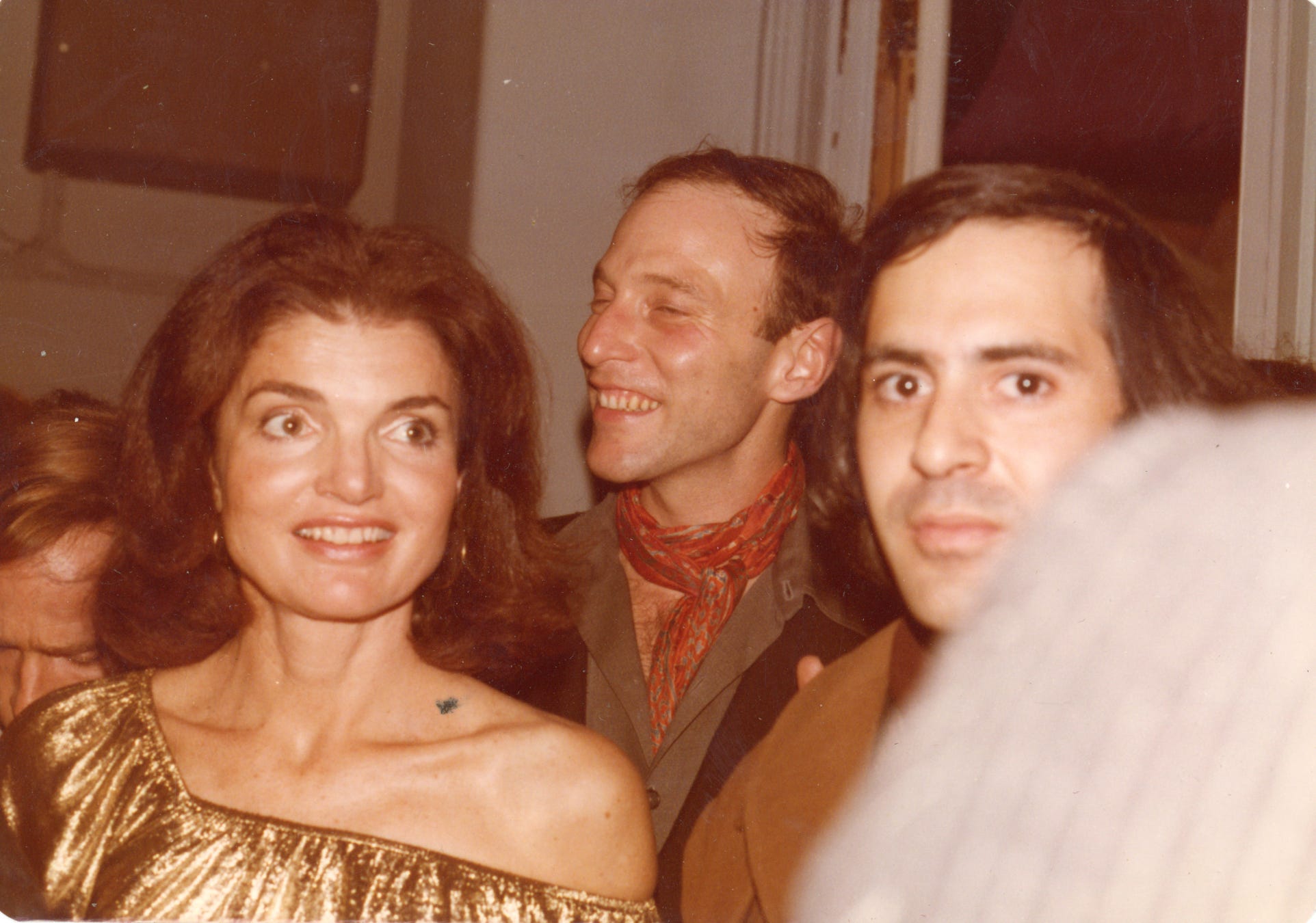
The year was 1974 and among the things looming large on my cultural landscape was the story of photographer Ron Galella being sued by Jackie Onassis; memories of Federico Fellini’s film La Dolce Vita with its sequences of Italian photographers on motor scooters chasing celebrities; the rising fame of gonzo journalist Hunter Thompson; and Andy Warhol’s success at fully merging himself into the world of celebrity and glamour through Interview Magazine.
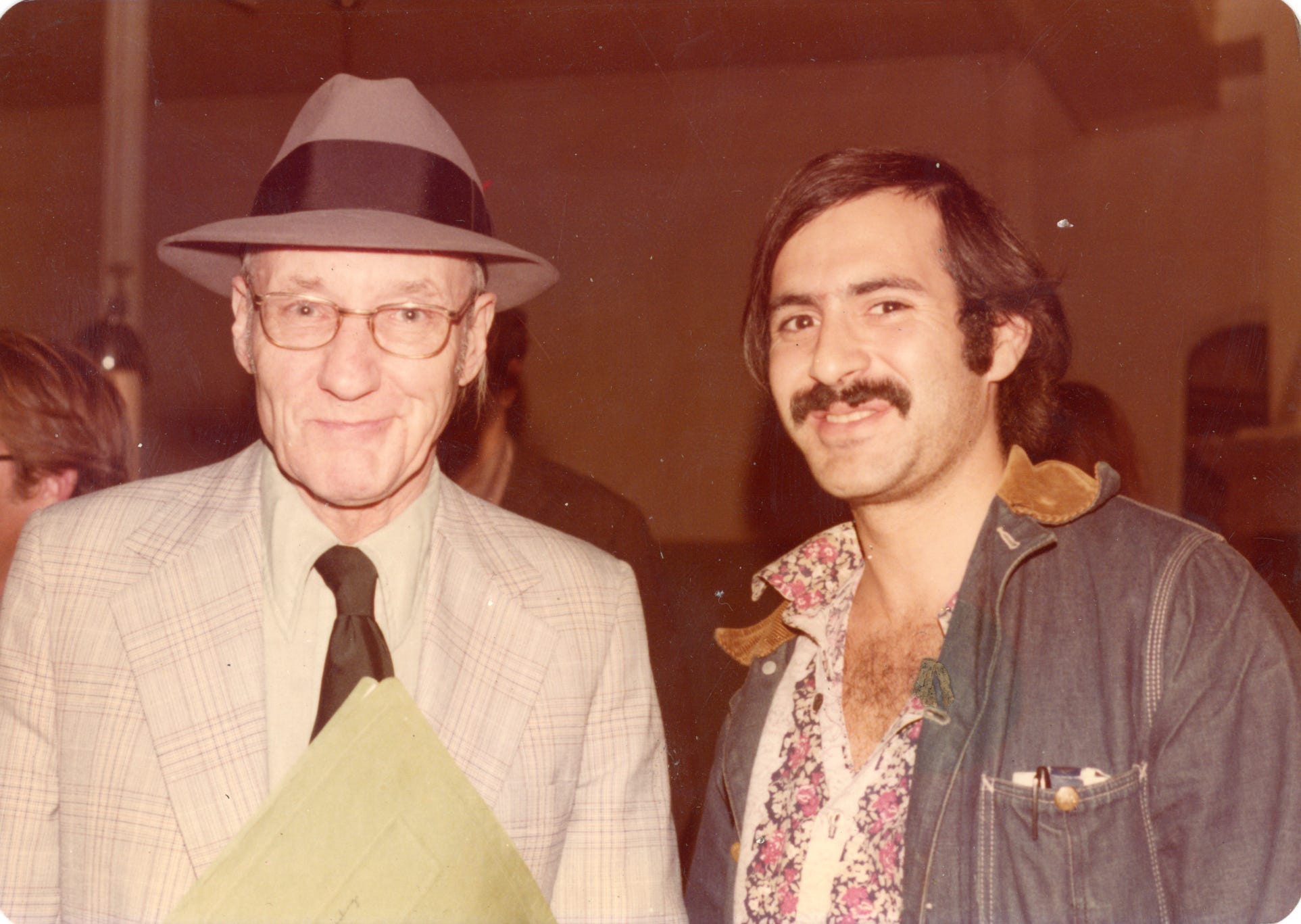
The mid-1970s was a moment of change with art getting less theoretical and moving in directions that were more personal and involved with the world. “Paparazzi Self-Portraits” was my way to move in that direction by harnessing the power of art and engaging real life for my own amusement and purposes.
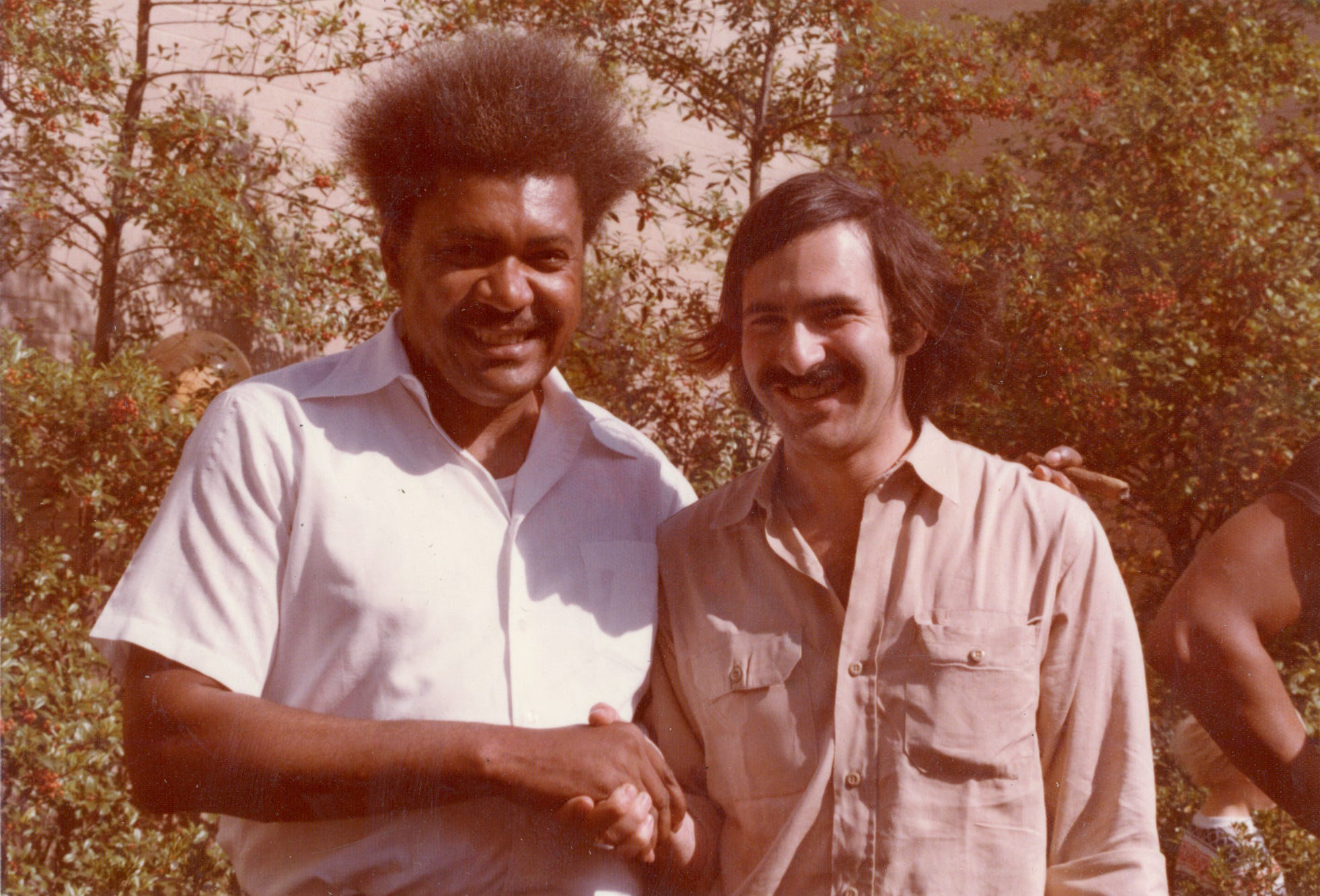
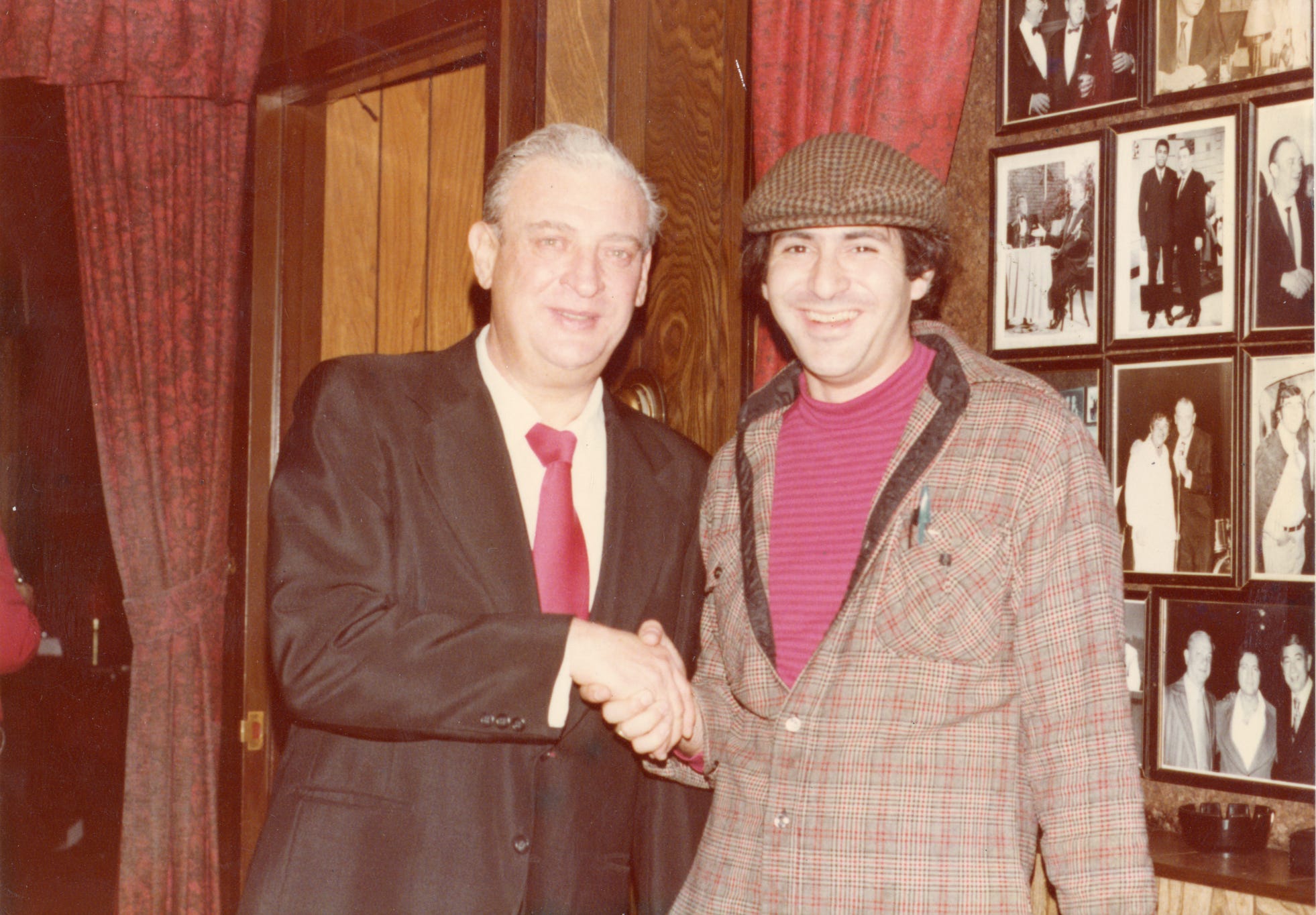
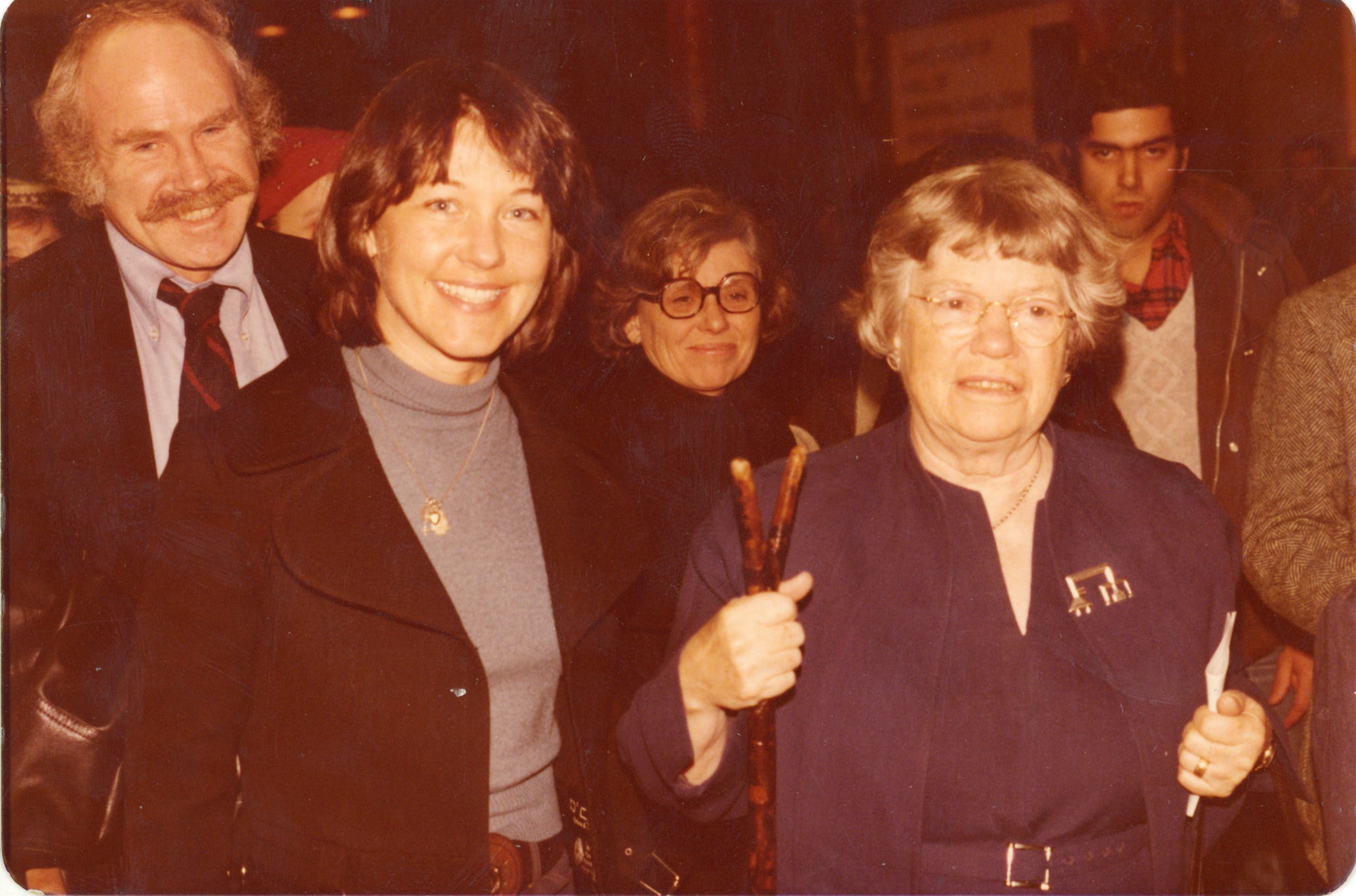
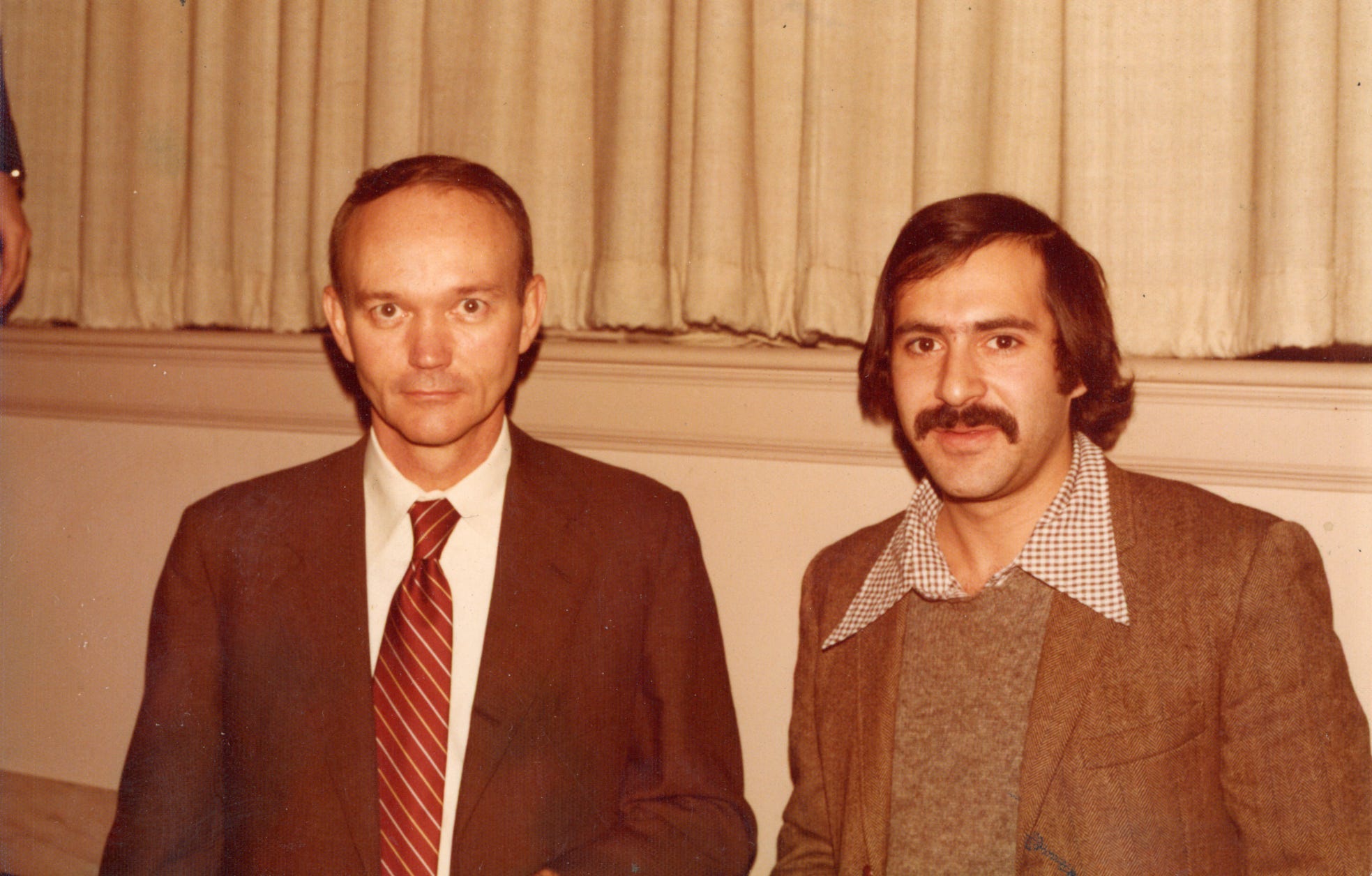
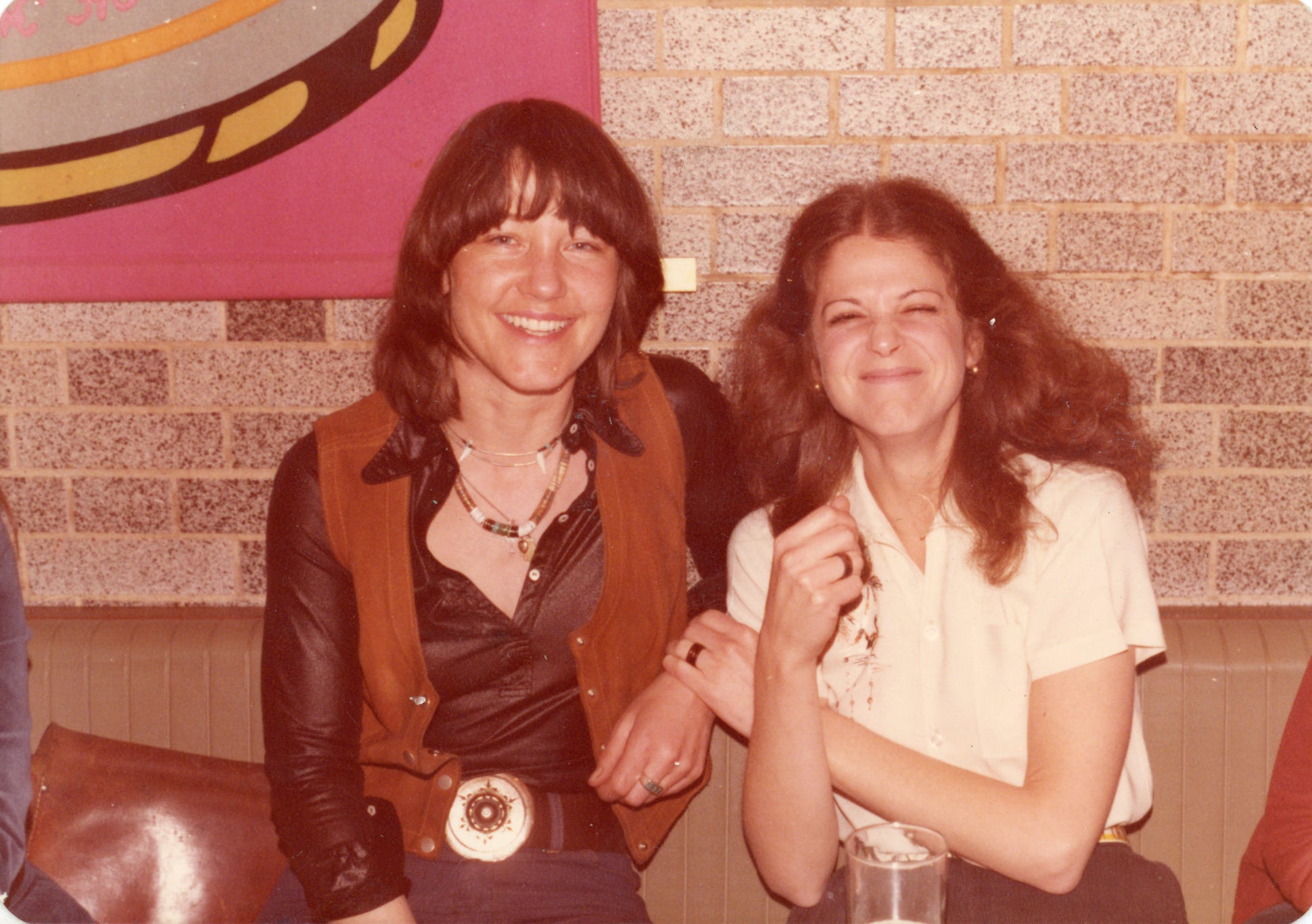
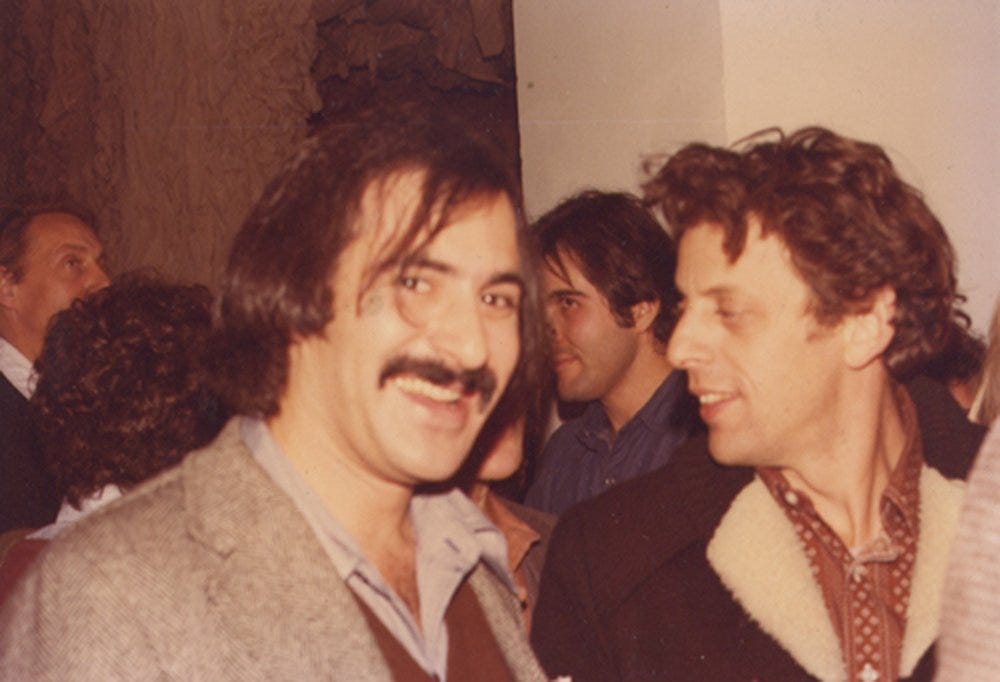
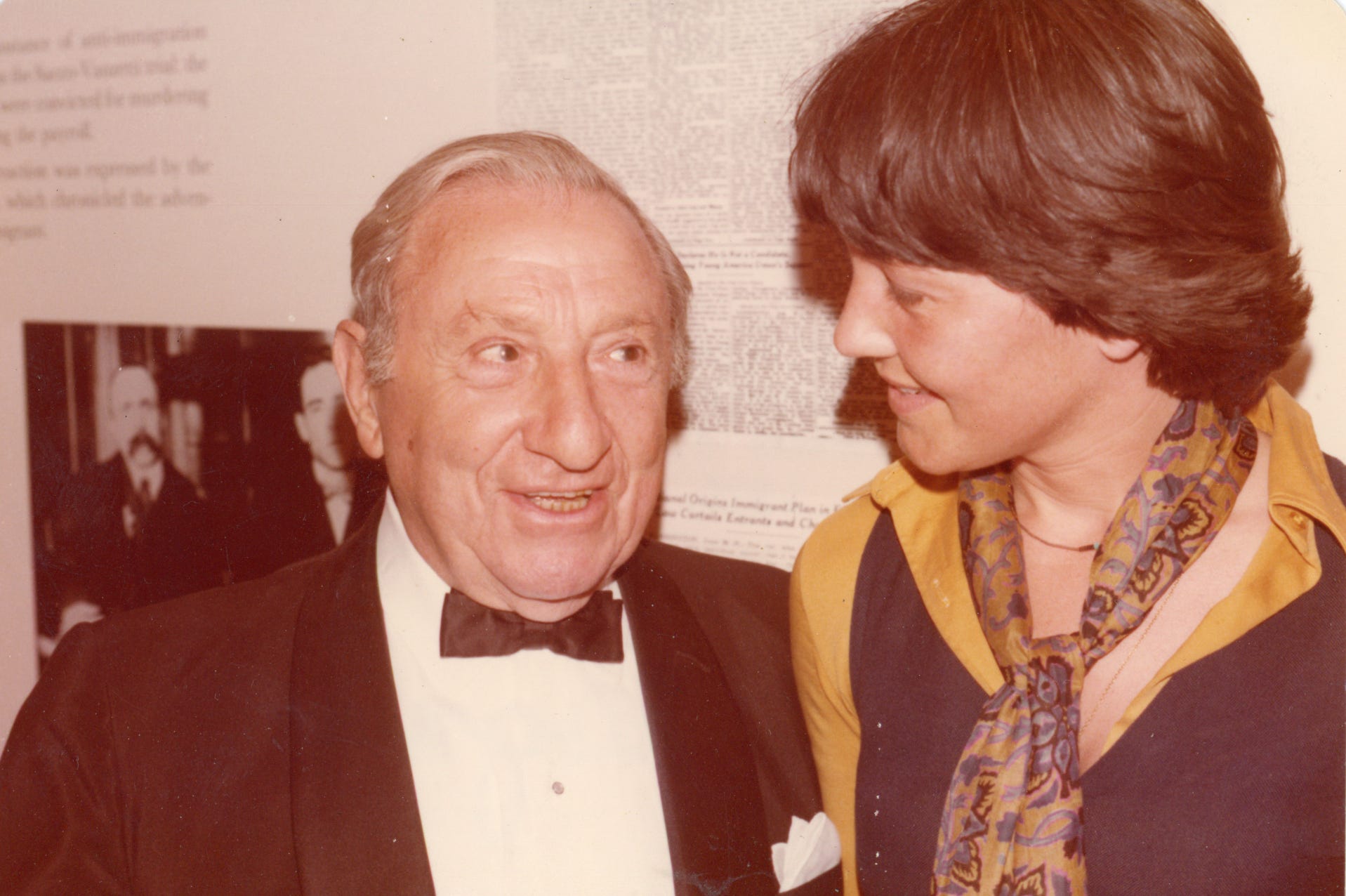
The idea was to take photos of myself with celebrities. This seems much more common today than it was back before cellphone cameras. While today this is associated with selfies, back then it was more closely connected to the kinds of displays one might find in restaurants or on the walls of a politician’s office.
At the simplest level, taking the pictures was an entertaining challenge that involved research, telephone calls, social and photographic skills. At first, acquaintances and willing strangers took the pictures, but soon Bettie Ringma became my full-time partner in stalking celebrity prey.
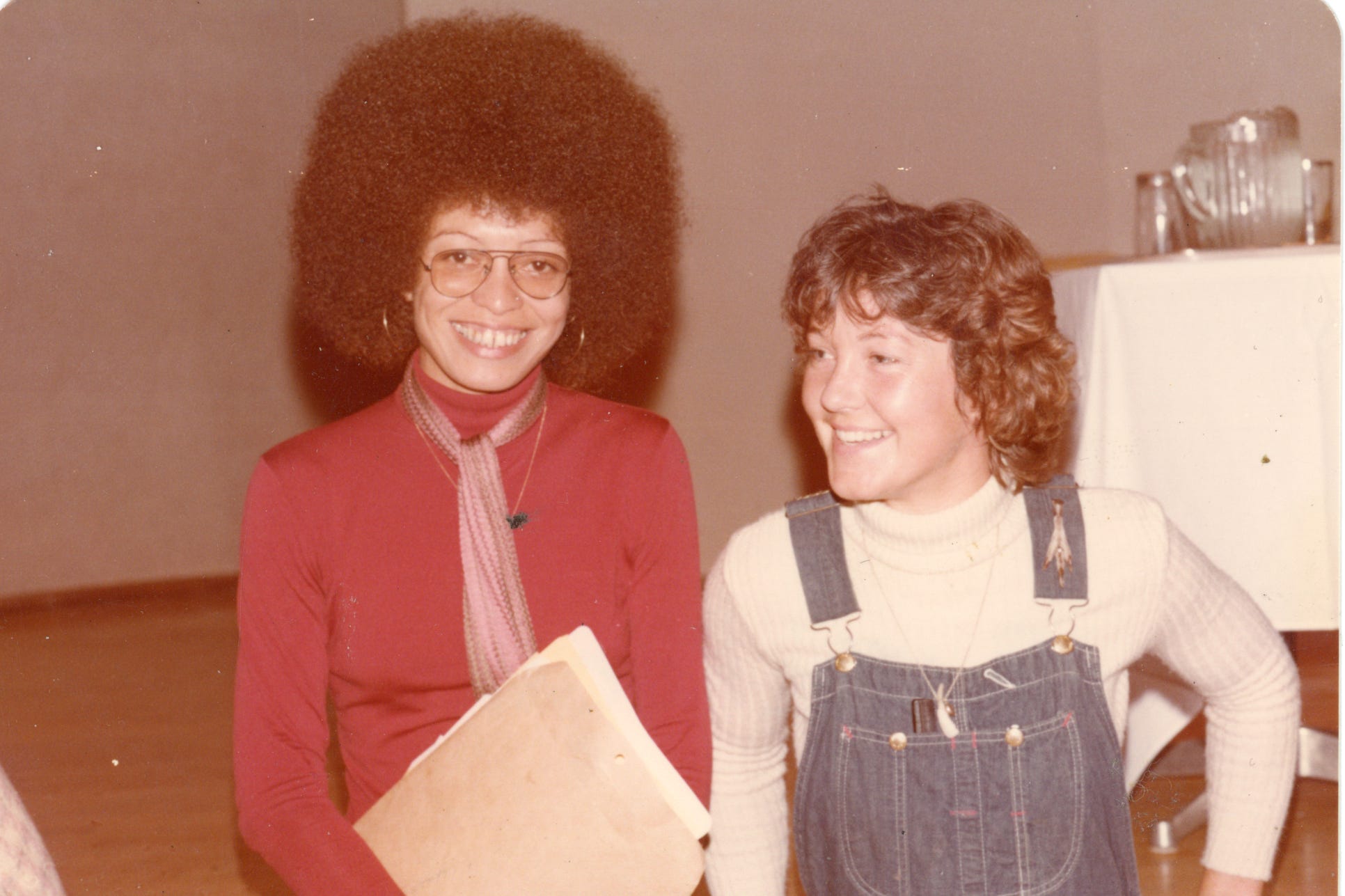
Each picture had its own logic and generated its own story. Some paid homage to personal heroes; others expanded our world. It was a way of integrating, an attempt to put ourselves into the broader currents of society. Bettie was eager to get pictures with women she admired, and I was more prone to get photographed with the avant garde artists that inspired me. At one point we arranged to get photographs with different US Senators. Even though pictures like this could easily be misused, only Connecticut Senator Abraham Alexander Ribicoff was suspicious enough to refuse. Now, of course, selfies are as common for politicians as shaking hands.
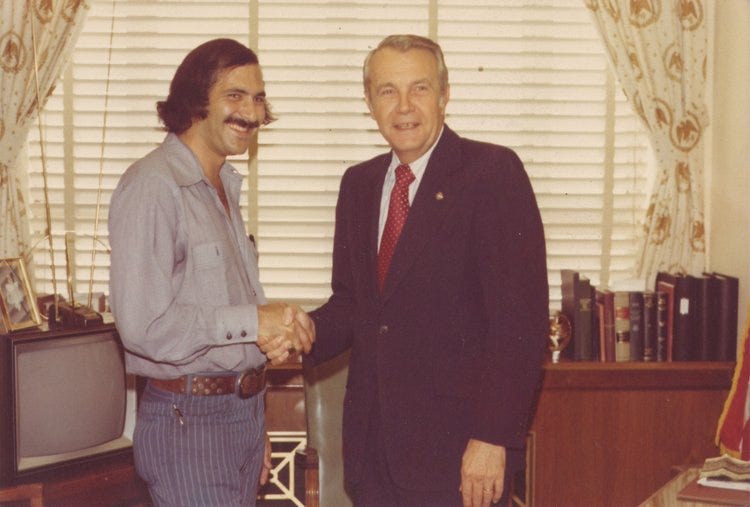
When exhibited together in art galleries, however, the pictures had the didactic quality of conceptual art, raising questions about reality, deception, art and propaganda. Who would have guessed that technological advances like the development of photoshop and AI would soon flood the world with altered pastiches that undercut the veracity of these laboriously gathered images.
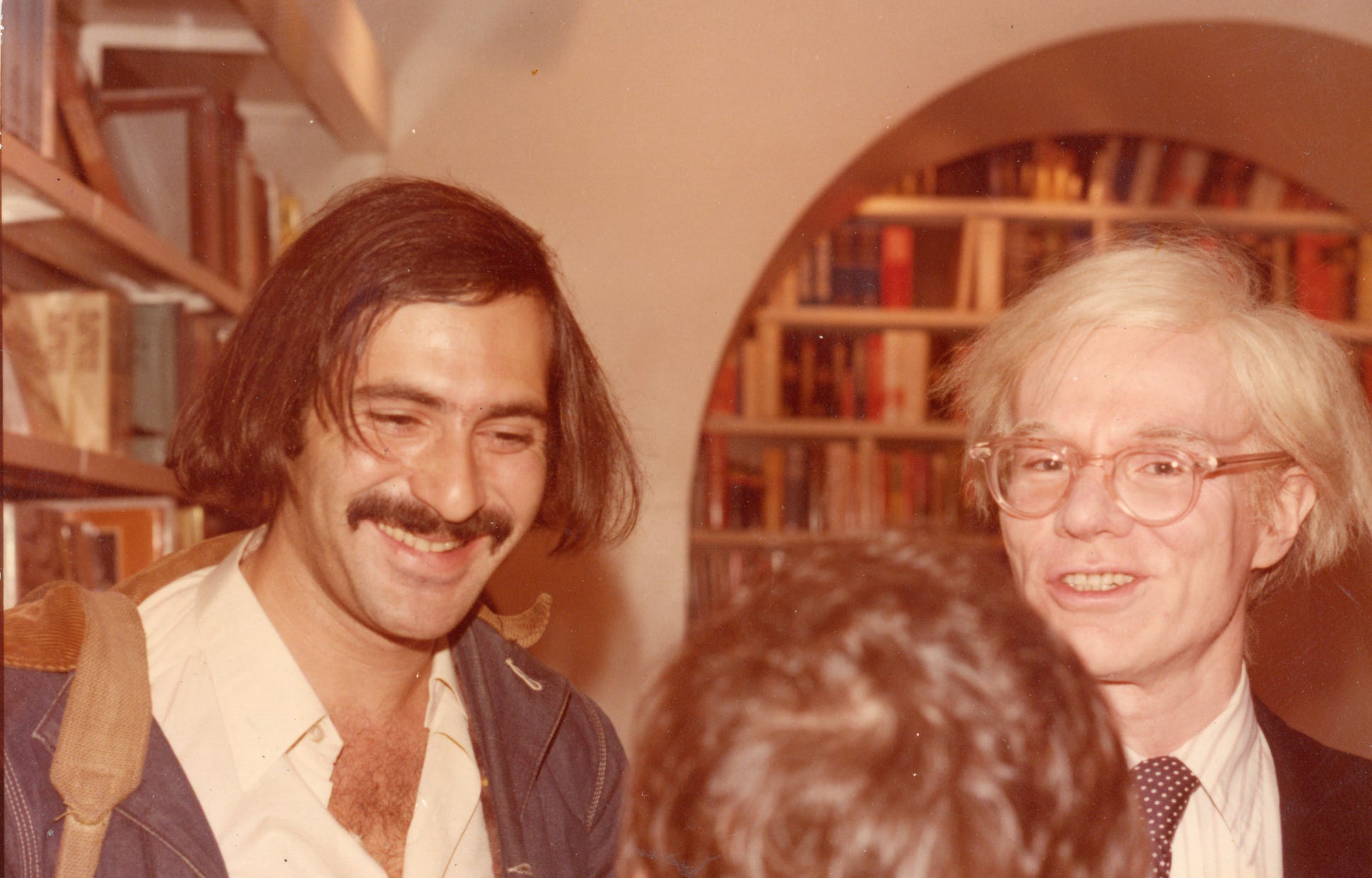
You can only imagine how difficult it was to get a picture with Jackie Onassis. To an outside observer there’s no difference between the actions of a photographer and a potential assassin. While the photograph I took with Andy Warhol looks like we’re having a good time, in reality the expression on his face was his startled reaction to suddenly being approached from behind. He had been shot just a few years before.
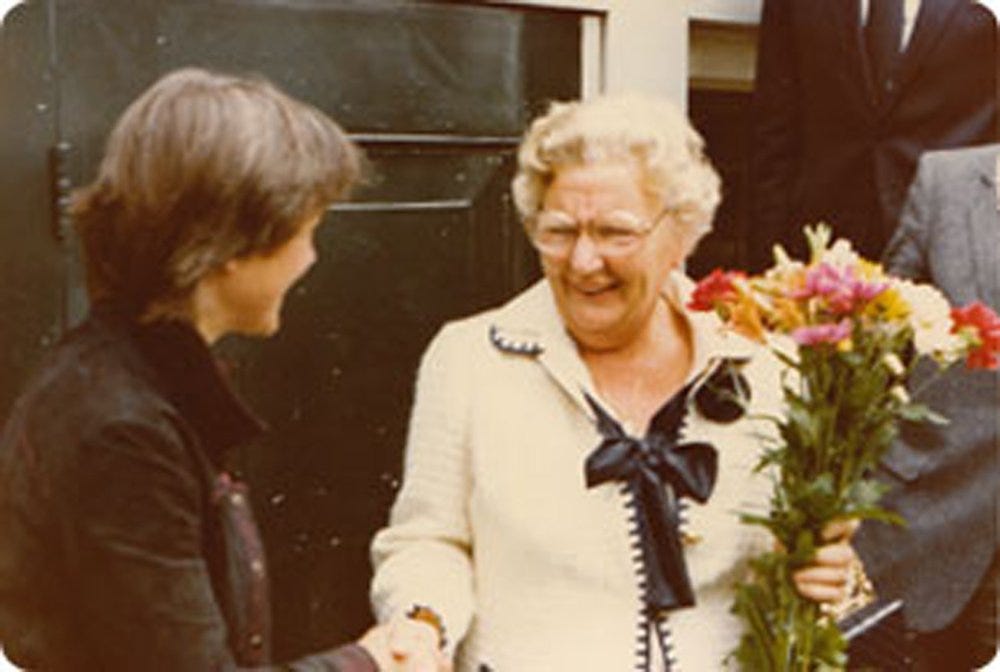
Bettie was much better at the social aspect of this project. When we heard that Queen Juliana of the Netherlands was going to be at the Anne Frank house, she cleverly brought flowers.
Looking back at this project now, amongst other things it’s a lesson in the fleeting nature of fame. In the 1970s, all of the people pictured here were household names.
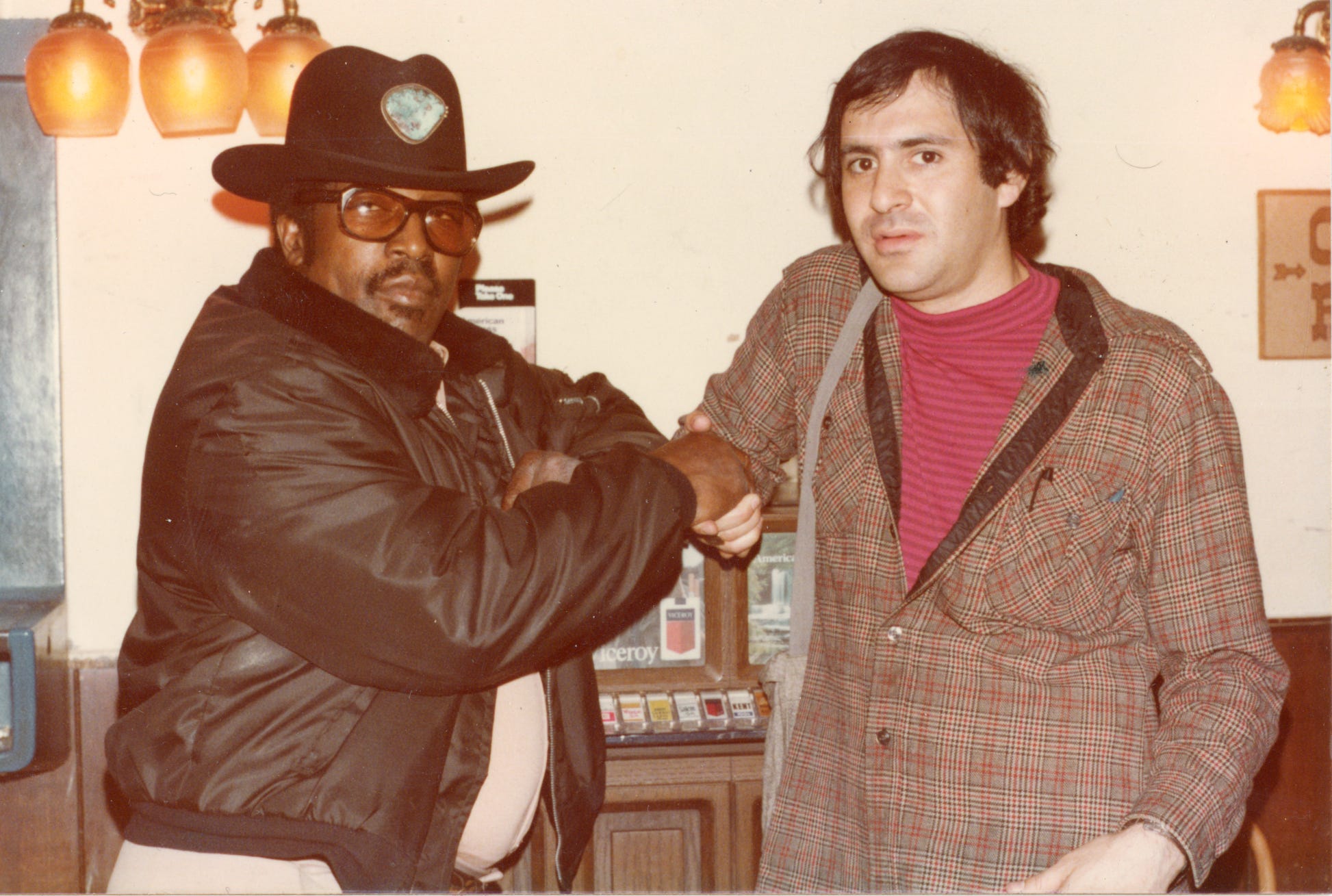
Bo Diddley....sweet! Musical and fashion dynamo, one of a kind. Cool project and interesting reflection on how cellphone cameras have changed us, the world, and how we engage and interact.
I love your stack. I love this piece. Now I have a prednisone buzz since the pollen is affecting my asthma/COPD so please do not get offended..but I had to think of that film "Forest Gump" in every photo with someone famous/historical. Hope that gave you a little chuckle. Just a fab stack, glad you are here, sharing.